HDB Property Types Breakdown: 2026 Buyer's Guide
- Pallipallisell

- 2 days ago
- 8 min read
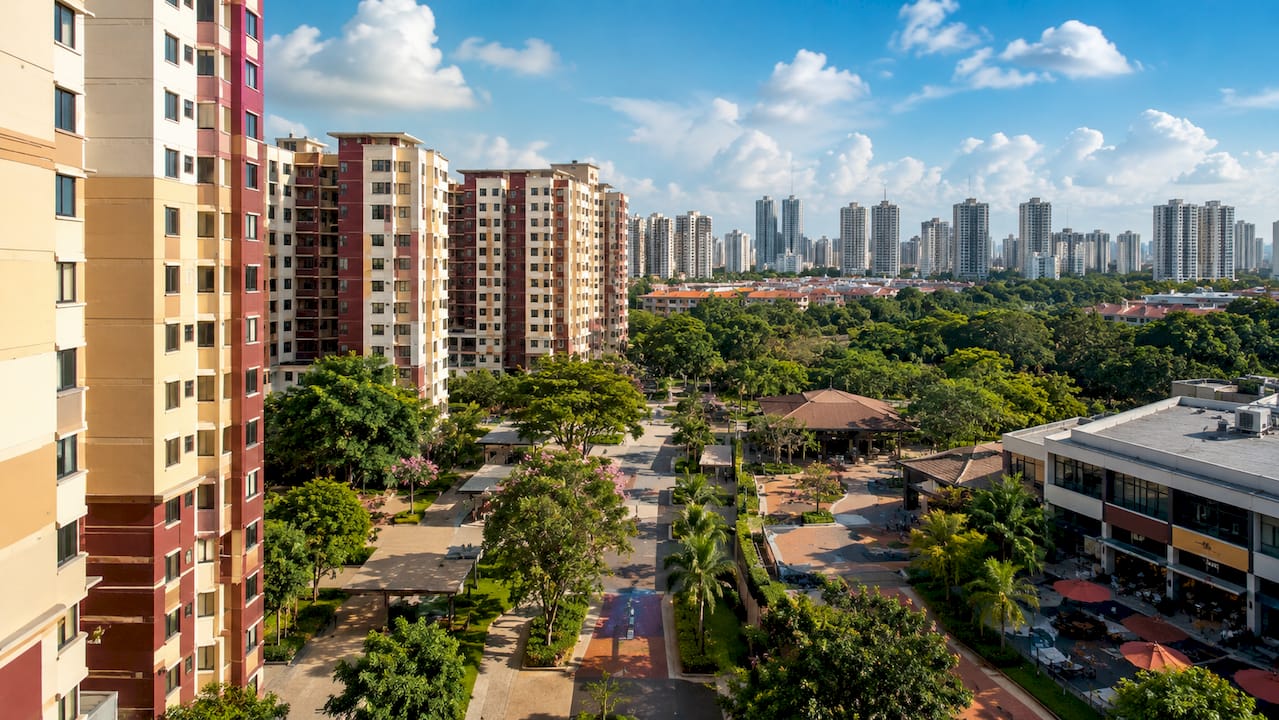
HDB property types are categorized by flat size and locational attributes that directly affect eligibility, pricing, and resale conditions. The Housing and Development Board manages six main flat sizes: 2-room Flexi, 3-room, 4-room, 5-room, Executive, and 3Gen. Since october 2024, a new Standard, Plus, and Prime classification system has added another layer to the HDB property types breakdown, changing Minimum Occupation Periods (MOP) and subsidy recovery rules. Whether you are buying or selling, knowing these categories is the fastest way to make a confident decision.
What is the HDB property types breakdown?
HDB flats are 99-year leasehold properties managed by the Housing and Development Board, a statutory board under Singapore’s Ministry of National Development. Every flat falls into one of six size categories, and since october 2024, every new Build-To-Order (BTO) flat also carries a locational classification: Standard, Plus, or Prime. These two layers together define what you can buy, how long you must live there, and what you will pay or receive when you sell.
The size classification has existed for decades and reflects floor area and room count. The locational classification is new. It replaces the older mature and non-mature estate system and applies tighter restrictions to flats in high-demand areas. Understanding both layers is the foundation of any sound buying or selling plan.
What are the different types of HDB flats based on size?
Each flat size serves a distinct household profile. The table below gives you a quick reference, followed by detailed descriptions.

Flat type | Approx. size | Best suited for |
2-room Flexi | 36–45 sqm | Singles, elderly residents |
3-room | 60–65 sqm | Couples, small families |
4-room | 90–95 sqm | Young families |
5-room | 110–120 sqm | Larger families |
Executive | 130–145 sqm | Families needing extra space |
3Gen | 115–125 sqm | Multi-generational families |
2-room Flexi
2-room Flexi flats are popular among singles and elderly residents for their compact, manageable size. They offer a bedroom, a living area, and a kitchen. The Flexi scheme lets buyers choose a shorter lease of 15 to 45 years, which suits older buyers who do not need a full 99-year term.
3-room and 4-room flats
3-room flats work well for couples or small families who want more space than a Flexi unit but prefer a lower price point. The 4-room flat is widely regarded as the market’s sweet spot, balancing space and affordability for young families. It includes two bedrooms, a master bedroom, a living room, a dining area, and a kitchen.
5-room, Executive, and 3Gen flats
5-room flats add a study or an extra bedroom, making them practical for growing families. Executive and 3Gen flats accommodate larger or multi-generational households with additional rooms and living spaces. The 3Gen flat specifically includes an extra bedroom and bathroom designed for grandparents, keeping three generations under one roof without sacrificing privacy.
How do the Standard, Plus, and Prime classifications affect HDB flats?
The new BTO classification system took effect in october 2024 and replaced the mature and non-mature estate labels. Every new BTO flat now carries one of three tags based on its location and surrounding amenities.
Classification | MOP | Subsidy recovery | Resale restrictions |
Standard | 5 years | None | Open market resale |
Plus | 10 years | 6–8% of resale price | Restricted buyer eligibility |
Prime | 10 years | 6–8% of resale price | Strictest buyer eligibility |
Standard flats carry the traditional 5-year MOP and no subsidy recovery requirement. They sit in locations with average accessibility and amenity levels. Plus flats occupy better-connected areas, such as those near MRT stations or town centers. Prime flats are in the most desirable locations, including central areas with the highest demand.
Plus and Prime flats require a 10-year MOP, double the Standard requirement. That longer hold period directly affects your liquidity. If you buy a Prime flat today, you cannot sell it on the open market for a decade. When you do sell, HDB recovers 6–8% of the resale price as a subsidy clawback. That amount comes off your proceeds, so you need to factor it into your financial planning from day one.
The new system distributes demand more evenly and reduces speculative pressure on prime locations. Buyers who want flexibility should lean toward Standard flats. Buyers who prioritize location and are comfortable with a longer commitment can consider Plus or Prime.
Pro Tip: Before you apply for a BTO flat, confirm its classification on the HDB website. A Plus or Prime tag changes your resale timeline and net proceeds by a meaningful amount.
What are the recent trends in HDB flat resale activity and pricing?
Resale data from june 2025 to may 2026 shows clear patterns across HDB property categories. Knowing these numbers helps you price accurately as a seller and negotiate confidently as a buyer.
4-room flats are the most transacted type, accounting for 43.7% of all resale transactions with 10,630 deals in the period. High transaction volume means faster liquidity and more comparable sales data for pricing.
2-room flats recorded the lowest median resale price at $375,000. They attract a specific buyer pool, so marketing them to the right audience matters more than broad exposure.
Executive flats reached the highest median resale price at $908,000. That price point puts them in competition with entry-level private condominiums, which affects both buyer pool size and time on market.
5-room flats sit between 4-room and Executive in both price and transaction volume, appealing to families who need space but are not ready for the Executive price tag.
3-room flats remain a solid mid-range option, with steady demand from couples and small families who want more room than a 2-room unit.
The dominance of 4-room flats in transaction volume confirms their role as the default choice for most Singapore families. If you own a 4-room flat, you have the widest buyer pool and the most resale comparables to support your asking price. If you own an Executive flat, you need a targeted pricing strategy because the buyer pool is narrower. Understanding resale commission rates and how they affect your net proceeds is equally important before you set a price.
How should buyers choose the right HDB flat type?
Choosing the right flat type starts with your household size and daily lifestyle, not just your budget. A couple planning to start a family in two years should think about a 4-room flat now rather than upgrading later. Upgrading costs time, money, and paperwork.
Household size today and in five years. A 3-room flat works for two people but feels tight with two children and a home office.
Budget ceiling. Know your CPF Ordinary Account balance and maximum HDB loan amount before you shortlist flat types.
MOP tolerance. If you expect a job relocation or lifestyle change within five years, a Standard flat gives you the earliest exit. A Plus or Prime flat locks you in for ten years.
Location vs. space trade-off. A Prime flat in a central location may offer less floor area than a Standard flat in a less central town. Decide which matters more to your daily routine.
Resale potential. HDB ownership rules and eligibility criteria affect who can buy your flat when you eventually sell. A flat with broader buyer eligibility sells faster.
Pro Tip: Run the numbers on subsidy recovery before you commit to a Plus or Prime flat. A 6–8% clawback on a $700,000 resale price is $42,000–$56,000 off your proceeds. That is a real cost, not a footnote.
Buyers should view HDB flat types not only through room count but also through the long-term ownership implications introduced by the new classifications on liquidity and eligibility. The right flat is the one that fits your life in year one and still makes financial sense in year ten.
Key Takeaways
The most critical factor in choosing an HDB flat is understanding how flat size, locational classification, and MOP length interact to affect your finances and flexibility over time.
Point | Details |
Six flat size categories | HDB offers 2-room Flexi, 3-room, 4-room, 5-room, Executive, and 3Gen flats for different household needs. |
New classification system | Standard, Plus, and Prime tags since october 2024 determine MOP length and subsidy recovery requirements. |
4-room flats lead resale | 4-room flats made up 43.7% of resale transactions from june 2025 to may 2026, giving sellers the widest buyer pool. |
Price range is wide | Median resale prices range from $375,000 for 2-room flats to $908,000 for Executive flats. |
MOP affects liquidity | Plus and Prime flats require a 10-year MOP, doubling the Standard flat’s 5-year requirement. |
What I’ve learned watching the new classification system reshape buyer decisions
The Standard, Plus, and Prime system is the most significant structural change to HDB buying in a generation. Most buyers I speak with still underestimate what a 10-year MOP actually means in practice. They focus on the flat’s location and price, then treat the MOP as a formality. It is not.
A 10-year MOP means your flat is illiquid for a decade. Life changes: families grow, jobs move, relationships shift. Buyers who locked into Prime flats without stress-testing that timeline are already feeling the constraint. The subsidy clawback compounds the issue. You pay a premium for the location through higher BTO prices, then you give back 6–8% of the resale price when you finally sell. That is a double cost that does not show up clearly in the initial purchase decision.
My practical advice: if you are under 35 and uncertain about your five-year plan, choose a Standard flat. You get full resale flexibility at the five-year mark, no clawback, and a lower entry price. Use the savings to build your CPF balance. If you are settled, have a stable household, and genuinely want to live in a central location for the long term, a Plus or Prime flat can make sense. Just go in with clear numbers, not just a preference for the address.
The other misconception I see constantly is treating Executive flats as straightforward upgrades. At a median of $908,000, they compete with entry-level private properties. That means your buyer pool shrinks and your time on market extends. If you own an Executive flat and want to sell, price it with precision. Check recent comparable transactions, not just your neighbor’s asking price. A well-priced Executive flat sells. An overpriced one sits.
— Brandon
Sell your HDB flat with confidence on Pallipallisell
You now know which flat type you own, what classification it carries, and what the market is paying. The next step is putting that knowledge to work when you sell.
Pallipallisell gives HDB sellers a direct path to buyers without agent commissions that typically run 1–2% of the sale price. On a $600,000 flat, that is $6,000–$12,000 saved. The platform charges a flat fee of $688, giving you full control over your listing, communication, and negotiation. Browse current HDB property listings to see what comparable flats are listed at, or go straight to the sell HDB without agent page to list your flat today. You set the price, you talk to buyers directly, and you keep more of your proceeds.
FAQ
What are the main HDB flat types in Singapore?
HDB offers six flat types: 2-room Flexi, 3-room, 4-room, 5-room, Executive, and 3Gen. Each type targets a different household size and lifestyle need.
What is the difference between Standard, Plus, and Prime HDB flats?
Standard flats have a 5-year MOP and no subsidy recovery. Plus and Prime flats have a 10-year MOP and require a 6–8% subsidy clawback on resale, reflecting their better locations.
Which HDB flat type sells the most on the resale market?
4-room flats are the most transacted, accounting for 43.7% of all HDB resale transactions from june 2025 to may 2026, with 10,630 deals recorded.
What is the Minimum Occupation Period for HDB flats?
Standard flats require a 5-year MOP before resale. Plus and Prime flats introduced in october 2024 require a 10-year MOP, which affects resale timing and liquidity planning.
How do I choose between a 4-room and 5-room HDB flat?
Choose a 4-room flat if your household has two to three members and you prioritize affordability and resale liquidity. Choose a 5-room flat if you need an extra bedroom or study and can absorb the higher price and narrower buyer pool.
Recommended

Comments