Landed Property Sale by Owner Explained for Singapore Sellers

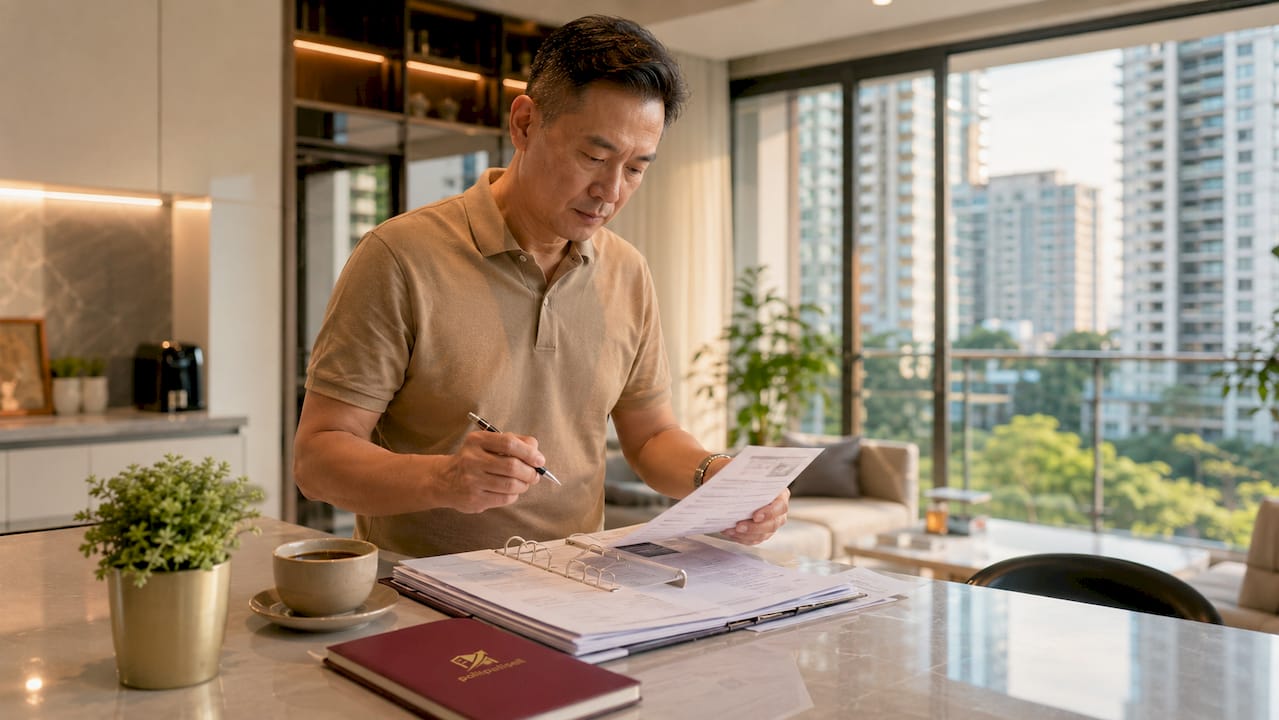
Landed property sale by owner, commonly called FSBO (For Sale By Owner), is the process where a homeowner sells their property directly to a buyer without hiring a listing agent. In Singapore, this approach is gaining traction because commission savings reach 1–3% of the sale price, which can equal tens of thousands of dollars on a landed home. You keep full control over pricing, showings, and negotiations. The trade-off is real: you take on 20–40 hours of effort covering marketing, legal coordination, and buyer management. Platforms like Pallipallisell, legal conveyancers, and online property portals make that effort manageable.
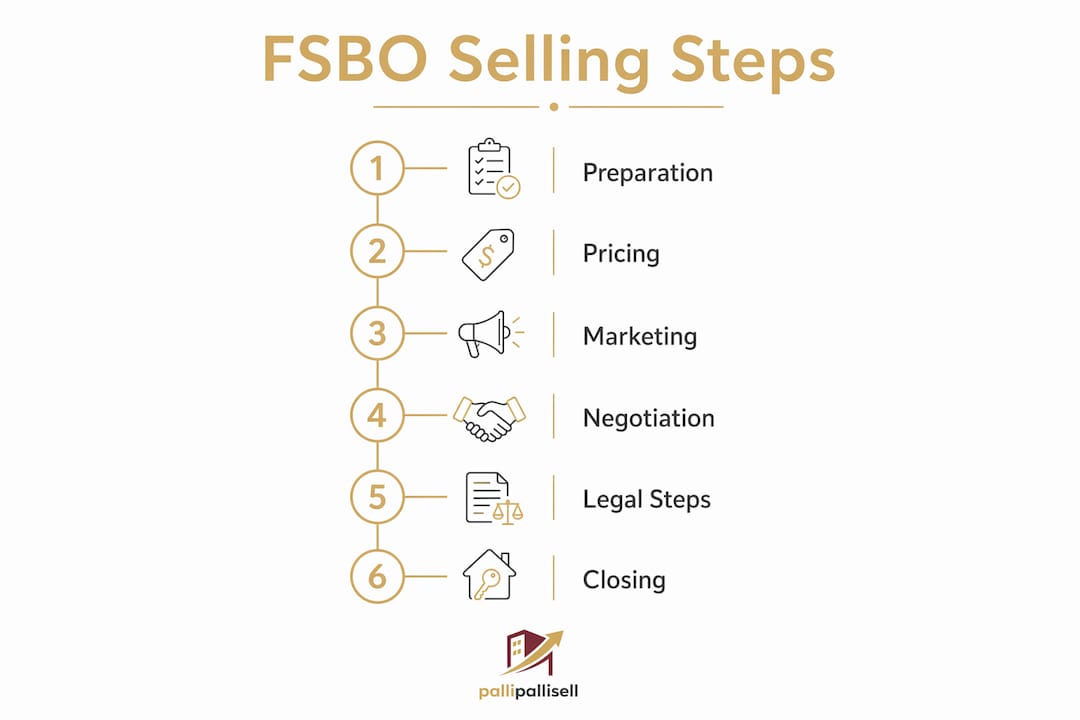
What does a landed property sale by owner actually involve?
A landed property FSBO sale covers every stage a listing agent would normally handle. You price the property, market it, qualify buyers, negotiate offers, and coordinate the legal transfer. That is a wide scope, but each stage is learnable and manageable with the right preparation.
The biggest shift is mindset. You are not just a homeowner selling a home. You are the seller, the marketer, and the deal manager. Treating the sale as a business reduces emotional mistakes and produces better outcomes. Sellers who approach FSBO professionally close faster and negotiate more confidently.

Singapore’s landed property market adds one layer of complexity that HDB or condo sales do not: buyer eligibility rules. Only Singapore Citizens can buy landed property freely. Singapore Permanent Residents must apply for approval through the Land Dealings Approval Unit (LDAU). This affects your buyer pool and your closing timeline, so you need to factor it in from day one.
What are the essential prep steps before listing your landed property?
Preparation is where most FSBO sellers either win or lose. Starting 8 weeks before your target listing date gives you enough time to handle repairs, cleaning, staging, and paperwork without rushing.
A practical 8-week timeline looks like this:
Weeks 1–3: Complete all repairs. Fix leaking taps, cracked tiles, faulty switches, and anything a buyer’s inspector would flag.
Week 4: Deep clean every room, including windows, grout lines, and outdoor areas.
Week 5: Gather all documents. Pull together your title deed, property tax statements, approved building plans, and records of past renovations.
Week 6: Stage the property. Remove personal photos, excess furniture, and clutter. Create neutral, open spaces that buyers can picture themselves in.
Weeks 7–8: Hire a professional photographer. Schedule a pre-listing inspection.
Pro Tip: Order a pre-listing inspection before you go live. Pre-listing inspections reduce surprises, speed up closing, and give buyers more confidence. Discovering a structural issue after an offer is accepted costs you negotiating power.
Your document package should be ready 4–6 weeks before listing. Title and documentation issues cause significant closing delays, and buyers who encounter missing paperwork often walk away. Organize everything digitally so you can share files quickly when a serious buyer asks.
Key documents to prepare:
Title deed and ownership verification
Latest property tax statements
Approved building plans and any renovation permits
Records of past repairs and maintenance
Outstanding mortgage details (if applicable)
How do you price and market a landed property without an agent?
Pricing is the single most consequential decision in your sale. Emotional attachment causes sellers to overvalue their property, which leads to longer days on market and eventual price cuts. A property that sits too long develops a stigma. Buyers start wondering what is wrong with it.
Price using market data, not sentiment. Pull recent transaction prices for comparable landed properties in your district from URA’s website. Compare land area, built-up size, tenure, and condition. Set your price at a level that reflects the market, not your memories of the renovation you paid for in 2019.
Pricing approach | Risk level | Outcome |
Emotion-based (above market) | High | Long market time, price reductions, buyer skepticism |
Market-based (comparable data) | Low | Faster offers, stronger negotiating position |
Below market | Medium | Quick sale but potential loss of value |
For marketing, your goal is maximum reach with minimum spend. MLS flat-fee listing services cost $100–400 and put your property in front of buyer’s agents and their clients. Combine that with listings on major Singapore property portals, social media posts with professional photos, and a yard sign for walk-by traffic.
Effective marketing channels for landed FSBO sellers:
Singapore property portals (PropertyGuru, 99.co)
Social media posts with high-quality photos and a virtual tour
WhatsApp sharing to personal and community networks
Physical yard signage for neighborhood visibility
Pallipallisell’s property listing platform for direct buyer access
Pro Tip: If your property has not received serious inquiries after three weeks, adjust the price. Early market feedback is data. Use it.
One thing many sellers overlook: buyer’s agents are usually involved even in FSBO sales. Be prepared to negotiate their commission separately. Offering a competitive buyer’s agent fee increases your property’s visibility with agents who are actively showing homes.
What legal steps must a Singapore landed property FSBO seller manage?
The legal process for a landed property sale in Singapore is called conveyancing. You must hire a licensed conveyancing lawyer. This is not optional. Purchase agreements are complex and require legal review to protect you from liability and ensure compliance with Singapore property law.
The conveyancing process typically takes 30–90 days from the point of signing the Option to Purchase (OTP) to final registration. Key milestones include:
OTP issuance: You grant the buyer an Option to Purchase, usually with a 1% option fee.
OTP exercise: The buyer exercises the option within the agreed period and pays the remaining deposit.
Legal due diligence: Your lawyer verifies title, checks for encumbrances, and coordinates with the buyer’s lawyer.
Completion: Funds are transferred, and ownership is registered with the Singapore Land Authority.
Buyer eligibility is a critical checkpoint. Singapore PRs must obtain LDAU approval before purchasing landed property, and this approval process can significantly alter your closing timeline. Verify your buyer’s eligibility status before you accept any offer.
Pro Tip: Never hold earnest money yourself. Earnest money deposits of 1–3% of the purchase price must be held by a neutral party, such as your conveyancing lawyer. This protects both parties and prevents legal complications.
Documents your lawyer will need from you:
Original title deed
Identity documents
Outstanding mortgage redemption statement
CPF withdrawal statements (if CPF was used to purchase the property)
Approved building plans
What are the most common pitfalls in a landed property FSBO sale?
The most common FSBO mistakes are predictable and avoidable. Knowing them in advance puts you ahead of most sellers who go through this process for the first time.
Emotional pricing tops the list. You know what your home means to you. Buyers do not. They see square footage, condition, and location. Price the property on those facts, not on what you spent on the kitchen renovation.
Incomplete documentation is the second major pitfall. Gathering complete documents and ordering a preliminary title report well before listing prevents last-minute delays and buyer objections. A buyer who encounters missing paperwork loses confidence fast.
Other common mistakes include:
Failing to qualify buyers before showing the property
Accepting offers without verifying the buyer’s financing or eligibility
Skipping the pre-listing inspection and discovering issues during buyer due diligence
Drafting or modifying legal documents without a lawyer’s input
Underestimating the time required for showings and follow-up
Pro Tip: Qualify every buyer before scheduling a showing. Ask for proof of financing or a mortgage in principle letter. This saves you hours of wasted time with buyers who cannot complete the purchase.
Sellers who sell without sufficient market experience risk accepting below-market offers or making concessions they did not need to make. Read up on negotiation basics. Know your walk-away price before any offer arrives. Resources like Pallipallisell’s FSBO seller tips give you Singapore-specific guidance to sharpen your approach.
Key Takeaways
Selling landed property by owner in Singapore saves significant commission costs but requires disciplined preparation, objective pricing, and proper legal management throughout every stage.
Point | Details |
Commission savings are real | FSBO saves 1–3% in listing commission, which equals tens of thousands on a landed property. |
Preparation starts 8 weeks out | Use a structured timeline covering repairs, staging, documents, and photography before listing. |
Price with data, not emotion | Use URA transaction data and comparable sales to set a market-based price from the start. |
Legal help is non-negotiable | Hire a conveyancing lawyer to manage the OTP, title verification, and final registration. |
Buyer eligibility affects your timeline | Verify whether your buyer is a Singapore Citizen or PR before accepting any offer. |
My honest take on FSBO for Singapore landed property sellers
I have seen sellers approach FSBO with two very different attitudes. The first group treats it like a side task. They underprice or overprice, skip the inspection, and scramble when legal questions arise. The second group treats it like a project. They prepare early, price objectively, and hire a good conveyancing lawyer. The second group consistently gets better results.
The money-saving potential of FSBO is genuine. Cutting a 1–3% listing commission on a landed property in Singapore is not a small number. But that saving disappears fast if you accept a below-market offer because you did not research comps, or if a deal falls through because you missed a document.
The LDAU approval requirement for PR buyers is the one area I see sellers underestimate most often. It is not just a formality. It can add weeks to your timeline and, in some cases, derail a sale entirely. Verify eligibility before you invest time in any buyer.
FSBO works best when you have time, patience, and a willingness to learn the process. If your schedule is tight or the property is complex, a good agent may save you more than their commission costs. But for sellers who are prepared and organized, going direct is absolutely viable in Singapore’s landed market.
— Brandon
Pallipallisell makes your FSBO sale straightforward
Selling your landed property without an agent does not mean selling without support. Pallipallisell gives Singapore homeowners a direct path to buyers, with a fixed fee of $688 instead of the thousands you would pay in agent commissions.
The platform handles your listing, connects you directly with buyers, and gives you full visibility over every inquiry and offer. You stay in control of pricing, showings, and negotiations. Check out Pallipallisell’s affordable seller packages to see exactly what you get for your fixed fee. When you are ready to list, the property listings page gets your home in front of active buyers without delay.
FAQ
What does FSBO mean for landed property in Singapore?
FSBO stands for For Sale By Owner. It means you sell your landed property directly to a buyer without hiring a listing agent, saving the 1–3% listing commission.
Do I need a lawyer to sell landed property by owner in Singapore?
Yes. You must hire a licensed conveyancing lawyer to handle the Option to Purchase, title verification, and ownership registration. DIY contract drafting creates serious legal risk.
Can a Singapore PR buy landed property from an FSBO seller?
A Singapore Permanent Resident must obtain approval from the Land Dealings Approval Unit (LDAU) before purchasing landed property. This approval process can extend your closing timeline, so verify buyer eligibility before accepting any offer.
How long does a landed property FSBO sale take in Singapore?
The full process typically takes 3–6 months. Preparation takes up to 8 weeks, marketing and offer acceptance varies, and conveyancing takes 30–90 days from OTP signing to completion.
What is the biggest risk in selling landed property without an agent?
Emotional pricing is the most common risk. Sellers who price above market face long listing periods and eventual price cuts. Use URA transaction data and comparable sales to set an objective price from the start.
Recommended


Comments